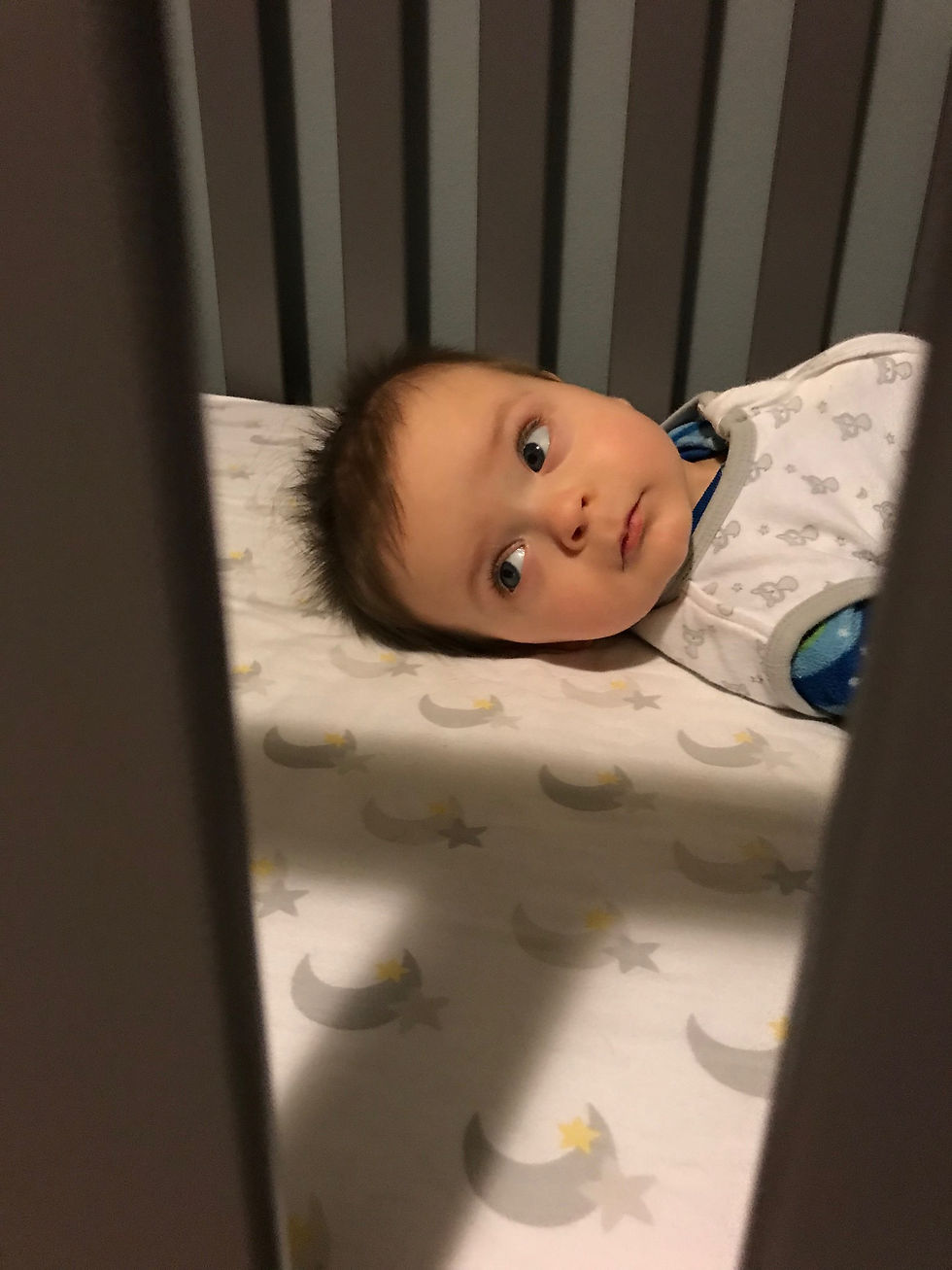
Why I wouldn’t give my child melatonin (and what I’d do instead)

There is nothing more that fuels me than learning that a doctor has recommended melatonin for a child instead of first looking into what might be causing the sleep issue. Yes, there are certainly situations where melatonin may be appropriate, but I find that some physicians are quick to prescribe it or put a Band-Aid on the issue instead of asking what is actually causing the problem in the first place.
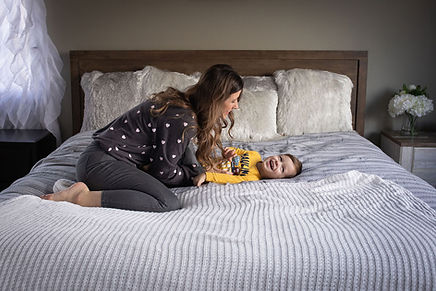
In fact let me give you a personal example of what one doctor recommended to me for my child. When my youngest child was 3½ years old, he was diagnosed with sleep disordered breathing (sleep apnea). Instead of simply putting a Band-Aid on the issue with a CPAP machine, I wanted to understand what was causing it so we could get him the help he needed. So we saw an ENT. He explained that my son's tonsils and adenoids looked a little swollen from chronic mouth breathing, but they weren't anatomically large enough to recommend surgery. But guess what he recommended, Melatonin. I smiled and politely said, "You realize I'm a pediatric sleep consultant." He smiled and replied, "Yes, I had a feeling you wouldn't be in favor of it." He was right. Maybe that's the sleep consultant in me, but I just couldn't accept that the answer was to give my three-year-old melatonin without first understanding why he wasn't sleeping well.
Over the years, I've also had many parents come to me almost embarrassed to admit that they've started giving their toddler melatonin out of desperation. Every single time, I reassure them that there is absolutely no judgment. When you're exhausted, you'll try almost anything. I get it! Then I tell them the same thing. Let's figure out why your child is having such a hard time falling asleep.
And honestly, I don't blame parents. Sleep deprivation is hard. I just wish more families were given the tools to understand why their child is struggling before turning to a supplement. In fact, I recently searched Amazon for children's melatonin products, and I was honestly astonished by how many there were and how many reviews they had. It really opened my eyes to just how common it's become for parents to reach for melatonin. This is what inspired me to write this post so keep on reading.

So what do I look at instead?
First, I look at the sleep environment.
Is the room dark enough? Is there enough white noise? Is the bedroom too warm? Is there too much light before bedtime? Is the room being used primarily for sleep?
Sometimes making a few simple changes to the environment can make a surprisingly big difference.
Second, I look at the schedule.
This is probably one of the biggest pieces of the puzzle and the most common issue I see when parents come to me with toddler / school-aged kiddos. One of the biggest things I see is that a child's schedule simply isn't matching their sleep needs anymore. Is bedtime appropriate for their age? Are naps still age appropriate? Are they getting enough awake time to build sleep pressure? Or are they actually getting too much sleep during the day?
One thing I see all the time is parents thinking their child needs more sleep than they actually do (this is SUPER common). As children get older, their sleep needs gradually decrease. A schedule that worked six months ago may not be the right schedule today.
This is also where I think parents get confused. They assume their child is overtired when sometimes they're actually undertired because their sleep needs have changed.
I also see families unintentionally shifting their child's entire day later. If your child is regularly sleeping until 8:00 or 9:00 a.m., it's often unrealistic to expect them to be ready for bed at 7:00 or 8:00 p.m. They simply may not have built enough sleep pressure yet. Instead, many of these children end up lying awake at bedtime or don't naturally fall asleep until 10:00 p.m. or even later. Heck, for some children 7:00 a.m. is sleeping in and parents may put them to bed at 8:00 p.m. but they aren't tired until closer to 9:00 p.m.
This is where I come in and adjust things. I always recommend a consistent morning wake up time. A consistent wake up helps anchor your child's body clock, build healthy sleep pressure throughout the day, and often makes bedtime much easier. Then we assess over a period of time and see how that affects their child's internal clock. During this time I recommend lots of fresh air, sunshine, and plenty of physical activity during the day which all can make a HUGE difference.

Third, I look at nutrition.
Is my child eating balanced meals throughout the day? Are they getting enough protein and healthy fats? Are they filling up on snacks but barely eating dinner? Are they consuming caffeine from chocolate or soda? What time is your child eating dinner? Food alone isn't usually the main reason a child isn't sleeping, but it's still something I look at because it's one piece of the puzzle.
I also think about vitamins and minerals. Could low iron stores (low ferritin) be contributing to restless sleep? Is there something nutritionally that deserves a closer look? If I have concerns, I encourage families to talk with their pediatrician about appropriate testing rather than guessing or starting supplements on their own.
Fourth, I rule out underlying medical concerns.
This is one of the most important steps. Is your child snoring? Sleeping with their mouth open? Restless all night? Waking frequently? Struggling with allergies? Reflux? Chronic congestion? Enlarged tonsils or adenoids? Has your child ever been evaluated for sleep disordered breathing? These are all things that deserve attention because no amount of melatonin is going to fix an underlying medical issue.
Fifth, I look at sleep habits.
Has your child become dependent on rocking, feeding, lying with a parent, or another sleep association to fall asleep? If so, that's okay. It's something we can work on.
I also remind parents that consistency matters. Children thrive on predictable routines. Even the best sleep plan won't work if bedtime, wake time, and naps are changing dramatically from one day to the next.
Sometimes the issue is simply developmental. Sleep regressions, separation anxiety, teething, language explosions, or other developmental milestones can temporarily affect sleep. That doesn't automatically mean your child needs melatonin.

Finally, I look at the whole picture.
I truly believe children don't just wake up one day and become "bad sleepers." Usually something changed. My job is figuring out what that something is. Fortunately, I do like a good challenge so I treat it as just that.
Sometimes it's developmental. Sometimes it's behavioral. Sometimes it's medical. Sometimes it's a schedule issue. Often it's a combination of several things. Every child is different. That's why I don't believe in cookie cutter sleep advice. What works for one child may not work for another. I don't just look at bedtime. I look at the entire 24 hour picture because bedtime usually starts the moment your child wakes up that morning. My goal has never been to find the quickest fix. My goal is to solve the sleep puzzle.
Melatonin may have a role in certain medical conditions or specific situations under the guidance of a child's healthcare provider. But for the average healthy child who suddenly starts fighting bedtime or taking a long time to fall asleep, I believe it's worth asking why before reaching for a supplement.
As parents, it's easy to feel like you have to choose between another sleepless night and giving your child something to help them sleep. I don't believe those are your only two options. More often than not, there is a reason your child is struggling, and once we identify that reason, we can create a plan that actually addresses the root cause instead of covering it up.
As a sleep consultant, my goal isn't just to help your child sleep tonight. My goal is to help them develop healthy sleep habits that will benefit them for years to come. Before you reach for melatonin, I encourage you to pause and ask yourself one simple question:
What is my child trying to tell me?
Because in my experience, there's usually a reason they're struggling to sleep. Sometimes we just have to take a step back and find it. And if you can’t figure it out, then we can work as a team and solve this puzzle together.
Need help with your little one's sleep? Reach out today at pediatricsleepcoach@gmail.com. I'd love to help you put the pieces of the sleep puzzle together so your child can sleep melatonin free whenever possible.

Frequently Asked Questions that I get from Clients when they tell me they are Currently Giving their Child Melatonin)
Is melatonin safe for kids?
Melatonin may be appropriate for certain medical conditions or situations when recommended by a child's healthcare provider. However, if your child is suddenly having difficulty falling asleep or bedtime has become a battle, I believe it's important to first look for the underlying cause rather than assuming melatonin is the answer.
Why won't my toddler fall asleep?
There are many possible reasons, including a schedule that needs adjusting, insufficient sleep pressure, inconsistent routines, sleep associations, developmental changes, or an underlying medical concern. Every child is different, which is why I believe every child deserves an individualized approach.
Does melatonin fix bedtime resistance?
Not necessarily. If bedtime resistance is being caused by an inappropriate schedule, inconsistent routines, a sleep association, or an underlying medical issue, melatonin doesn't address the root cause. Identifying why your child is struggling is often the most important first step.
Disclaimer: This blog is for educational purposes only and should not replace medical advice. If you have concerns about your child's sleep or are considering melatonin or other supplements, talk with your child's healthcare provider.